 Telegram Growth Studio
How to Protect Website from Negative SEO: Complete Defense Guide

How to protect your website from negative SEO: Monitor your backlink profile weekly using Google Search Console and tools like Ahrefs or Semrush. Disavow toxic links immediately, secure your CMS with strong passwords and two-factor authentication, use Copyscape to detect content scraping, and flag fake reviews for removal. A 2024 GoDaddy report found that over 422,000 websites experienced negative SEO spam, making proactive protection critical for every site owner.
Key Takeaways
- Over 422,000 websites were hit with negative SEO spam in 2024 – smaller sites with weaker backlink profiles face the highest risk.
- Google Search Console is your free first line of defense – set up email alerts for manual actions and suspicious link activity.
- The Google Disavow Tool lets you neutralize toxic backlinks, but monthly audits are essential to catch new threats.
- Layered protection (backlink monitoring + site security + content defense + reputation management) reduces vulnerability by over 90%.
- Most sites recover from negative SEO attacks within 2 to 8 weeks when root causes are addressed promptly.
What Is Negative SEO?
Negative SEO is the deliberate use of unethical, black-hat tactics to sabotage a competitor's search engine rankings. Common attack vectors include building thousands of spammy backlinks, scraping and republishing content, posting fake negative reviews, and hacking websites to inject malicious code. Unlike organic ranking drops caused by algorithm updates, negative SEO attacks originate from external bad actors targeting your domain specifically.
Negative SEO Protection in 2026: What Changed
As of 2026, the negative SEO threat landscape has shifted in three concrete ways. First, AI-generated spam link networks now produce thousands of contextually plausible backlinks in minutes, so manual quarterly audits are no longer enough — weekly automated monitoring is the new baseline. Second, Google's March 2024 core and spam updates (still in effect through 2026) lean harder on site-wide quality and link-graph trust, which means a strong, diverse profile absorbs attacks better than any disavow file alone. Third, scraped content increasingly resurfaces inside AI Overviews and chatbot answers, not just classic search results, so canonical signals and fast indexing matter more than ever. In 2026, pair real-time alerts with rapid online reputation repair and escalation guidance for removing negative search results from Google to keep recovery windows short.
Why Does Negative SEO Protection Matter?
Protecting your website from negative SEO is not optional in 2026. The importance of protecting your website from negative SEO grows each year as attack tools become cheaper and more accessible. A 2024 report by GoDaddy confirmed that over 422,000 websites experienced some form of malicious SEO spam, and services offering negative SEO attacks can be found on freelancing platforms for as little as $5. Small and medium-sized businesses are especially vulnerable because their thinner backlink profiles cannot absorb large volumes of spam without ranking damage.
Google has made progress in devaluing rather than penalizing spam links since the Penguin algorithm was integrated into the core algorithm. However, industry experts including Marie Haynes and Search Engine Land contributors have documented cases where aggressive attacks still cause measurable ranking drops. The U.S. Small Business Administration published official guidance specifically warning small businesses about negative SEO threats, further underscoring the real-world impact. Sites competing for high-value commercial keywords in niches like finance, legal services, and online reputation management face elevated risk. Understanding how to remove negative search results and suppress harmful content is equally important as a reactive defense layer.

What Are the Common Types of Negative SEO Attacks?
Understanding the attack vectors is the first step in negative SEO protection. Each type exploits a different weakness in how search engines evaluate websites, and each demands a specific countermeasure. The most prevalent attacks in 2026 fall into six categories.
Spammy Backlink Building
Attackers flood your domain with thousands of low-quality links from link farms, private blog networks (PBNs), and automated comment spam. These links often use exact-match or pornographic anchor text to trigger Google's spam filters. New websites with fewer than 500 referring domains are particularly vulnerable because the ratio of toxic to healthy links shifts dramatically with even a few hundred spam links. Monitoring tools like Ahrefs send automated alerts when your referring domain count spikes abnormally, giving you time to react before damage compounds.
Content Scraping and Duplication
Scrapers copy your content and republish it across dozens of domains, creating duplicate content signals that confuse search engines about the original source. In some cases, the scraped version can outrank the original, especially when published on higher-authority domains. Canonical tags and rapid indexing through the Google Indexing API are your primary defenses against this tactic.
Fake Negative Reviews
Competitors post fabricated one-star reviews on Google Business Profile, Trustpilot, Yelp, and industry-specific platforms. These reviews damage your local SEO rankings and deter potential customers. Google's automated spam detection catches some fake reviews, but manual monitoring remains essential. The reputation damage control process requires documenting fraudulent reviews and systematically flagging them for removal. Professional reputation repair services can accelerate this process when review volume overwhelms internal resources.
Website Hacking and Code Injection
Hackers gain access to your CMS and inject spammy links, redirect pages to malicious domains, or modify your robots.txt to block search engine crawlers. According to a 2024 IBM report, the average cost of a data breach reached $4.88 million globally. For SEO specifically, a hacked site can lose its entire index within days if Google's Safe Browsing flags it with a security warning. The aftermath often requires comprehensive online reputation repair to restore both rankings and user trust.
Click Fraud and CTR Manipulation
Bots repeatedly click on your search results and immediately bounce, artificially inflating your bounce rate and signaling to algorithms that your content fails to satisfy user intent. Competitors may also use bots to click on their own results, boosting their click-through rate at your expense. This tactic is difficult to detect without dedicated click fraud protection tools.
Forced Crawling and DDoS Attacks
Malicious bots overload your server with requests, slowing page load times or crashing your site entirely. If Googlebot encounters persistent downtime, it may de-index your pages. Services like Cloudflare and AWS Shield provide DDoS protection that blocks malicious traffic while allowing legitimate users and search crawlers through. The largest recorded DDoS attack reached 2.54 Tbps, demonstrating that no site is too large or too small to be targeted.

How Do You Detect a Negative SEO Attack?
Early detection is the difference between a minor inconvenience and a catastrophic ranking loss. Most negative SEO attacks show measurable symptoms within 48 to 72 hours, and catching them quickly limits the damage. Here are the signals every website owner should monitor. A proactive approach to brand SERP optimization also helps you spot anomalies faster by establishing a known baseline for your search appearance.
Check Google Search Console daily for manual action notifications, which confirm whether Google has identified unnatural link activity. The "Links" report shows your top linking sites – a sudden influx of domains you do not recognize is a red flag. In Google Analytics 4, watch for unusual traffic spikes from irrelevant geographic regions or sudden increases in bounce rate that coincide with ranking drops.
Backlink monitoring tools provide granular data. Configure Ahrefs, Semrush, or Moz to send email alerts whenever your referring domain count changes by more than 10% in a single week. Analyze anchor text distribution monthly – if you see a surge of exact-match or foreign-language anchors that you did not build, you are likely under attack. Tools like Copyscape and Grammarly's plagiarism checker can detect content scraping within 24 hours of publication. Set up Google Alerts for your brand name and key product terms to catch fake reviews and impersonation attempts in real time.

Step-by-Step: How to Protect Your Website from Negative SEO
Effective negative SEO protection combines preventive measures, real-time monitoring, and rapid response procedures. Follow these seven steps to build a comprehensive defense system that addresses every major attack vector.
Step 1: Set Up Automated Monitoring
Configure Google Search Console email notifications for security issues, manual actions, and indexing errors. Register your site with Ahrefs Alerts or Semrush Backlink Audit for weekly automated backlink reports. This step alone catches over 80% of attacks before they cause significant ranking damage, because most negative SEO campaigns ramp up gradually before reaching critical mass.
Step 2: Conduct Monthly Backlink Audits
Run a full backlink audit at least once per month. Export your backlink profile from Google Search Console and cross-reference with Ahrefs or Semrush to identify links with toxic scores above 60. Flag domains that appear suspicious: foreign-language sites unrelated to your niche, link farms with identical templates, and PBNs with thin content. Document every suspicious link in a spreadsheet for potential disavowal. If the audit reveals coordinated attacks targeting your brand SERP, address both the toxic links and the underlying brand reputation simultaneously.
Step 3: Disavow Toxic Backlinks
Compile your list of harmful domains into a plain text disavow file using the domain:example.com syntax. Submit through the Google Disavow Tool in Search Console. Update this file monthly as new spam links appear. The disavow process tells Google to ignore these links when evaluating your site, effectively neutralizing the attack without requiring direct removal from each source.
Step 4: Harden Your Website Security
Update your CMS, themes, and plugins to their latest versions. Enforce strong, unique passwords for all admin accounts and enable two-factor authentication. Install a Web Application Firewall (WAF) through Cloudflare, Sucuri, or Wordfence to block malicious traffic. Implement HTTPS with an SSL certificate and configure security headers (Content-Security-Policy, X-Frame-Options, Strict-Transport-Security) to prevent code injection and cross-site scripting.
Step 5: Protect Your Content from Scraping
Add self-referencing canonical tags to every page. Publish new content and immediately submit URLs through the Google Indexing API or the URL Inspection tool to establish priority indexing. Monitor for scraped copies using Copyscape weekly. When you discover unauthorized copies, file a DMCA takedown request with the hosting provider and report copyright infringement to Google. Building strong internal linking reinforces your domain's authority as the original source. If scraped content has already started ranking, our guide to removing negative articles from Google explains how to escalate removal requests effectively.
Step 6: Monitor Reviews and Brand Mentions
Set up Google Alerts for your brand name, key staff names, and product terms. Check Google Business Profile, Trustpilot, and industry platforms weekly for suspicious reviews. When you identify fake reviews, document them with screenshots and timestamps, then report them through the platform's flagging mechanism. Encourage satisfied customers to leave genuine reviews – a steady stream of authentic positive feedback makes isolated fake reviews far less impactful. Our negative search result removal guide covers the full escalation process.
Step 7: Build a Strong Positive SEO Foundation
The single best defense against negative SEO is a robust, diverse backlink profile from authoritative sources. Sites with thousands of quality referring domains can absorb hundreds of spam links without noticeable impact. Focus on earning editorial backlinks through original research, data-driven content, and digital PR. Maintain technical SEO health with regular site audits. Publish fresh, high-quality content consistently to signal ongoing authority. The stronger your positive SEO, the less effective any negative SEO campaign becomes.

Best Negative SEO Detection Tools Compared
Choosing the right monitoring tools determines how quickly you detect and respond to attacks. The following comparison covers the most widely used tools for negative SEO protection, evaluated across key capabilities relevant to attack detection and defense.
| Tool | Backlink Monitoring | Toxic Link Scoring | Content Scraping Detection | Price (Monthly) | Best For |
|---|---|---|---|---|---|
| Google Search Console | Basic (manual) | No | No | Free | Manual actions, indexing alerts |
| Ahrefs | Advanced (automated alerts) | Yes (spam score) | No | $99–$449 | Backlink auditing, anchor analysis |
| Semrush | Advanced (Backlink Audit tool) | Yes (toxic score) | No | $139–$499 | Full SEO suite with position tracking |
| Moz Pro | Moderate | Yes (spam score) | No | $99–$599 | Domain authority tracking |
| Copyscape | No | No | Yes (primary function) | $0.03/search | Content scraping detection |
| Cloudflare | No | No | No | Free–$200+ | DDoS protection, bot blocking |
For comprehensive negative SEO protection, combine Google Search Console (free baseline) with either Ahrefs or Semrush (backlink intelligence) and Cloudflare (security). Add Copyscape for content monitoring if your site publishes original research or high-value editorial content that competitors might scrape.
How Can You Recover from a Negative SEO Attack?
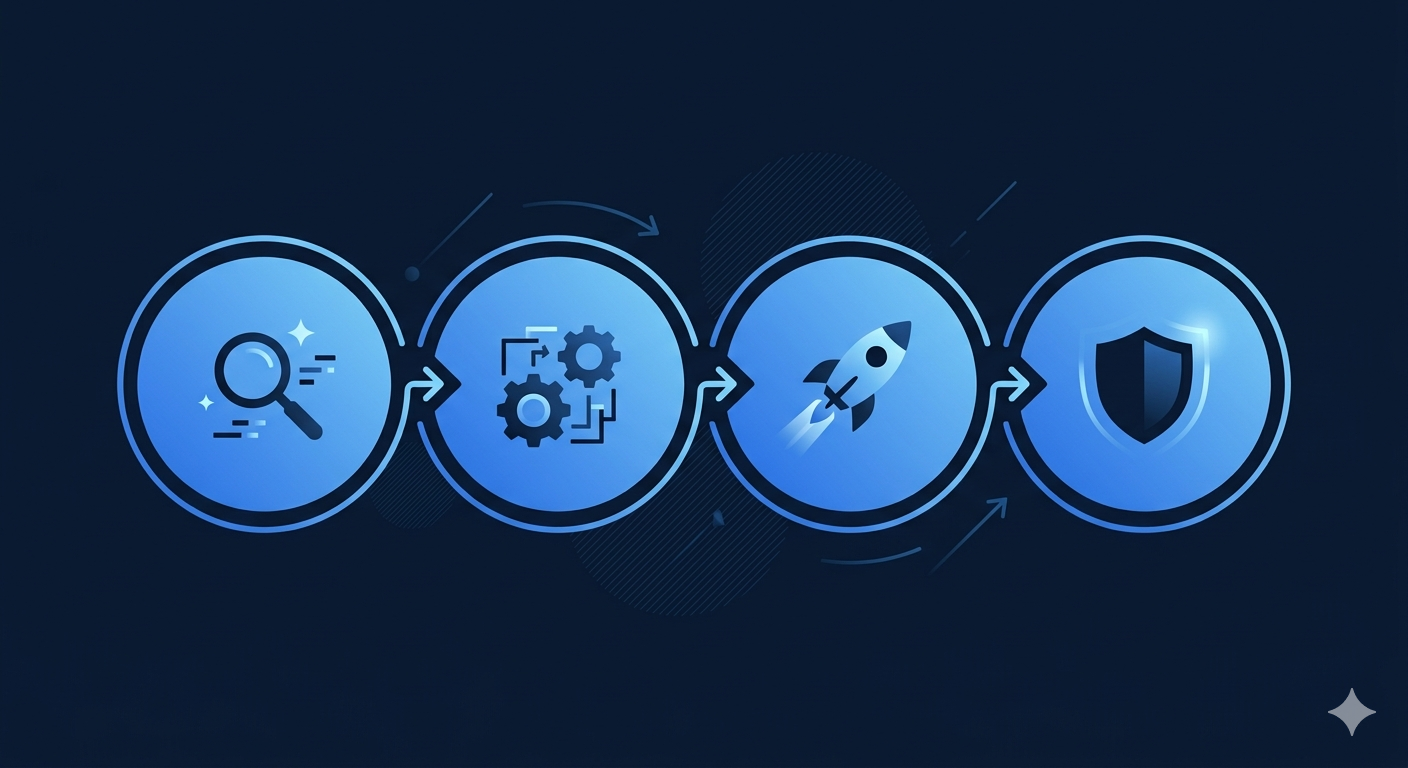
If your site has already been hit, rapid action minimizes lasting damage. The recovery process follows a structured sequence that addresses both the symptoms and root causes of the attack.
Begin by identifying the attack vector. Log into Google Search Console and check for manual actions under the "Security & Manual Actions" section. If you see "Unnatural links to your site," you are dealing with a link-based attack. Export your backlink profile and compare it against your last clean audit to isolate the new toxic links. Compile these into a disavow file and submit immediately.
For hacked sites, restore from your most recent clean backup. Change all passwords, update your CMS and plugins, and scan for injected code using a security tool like Sucuri or Wordfence. Once the site is clean, submit a reconsideration request through Google Search Console if you received a manual action. Google typically processes reconsideration requests within 2 to 4 weeks.
For content scraping, file DMCA takedowns with each hosting provider and submit copyright infringement reports to Google. For fake reviews, systematically flag each fraudulent review through the platform's reporting mechanism and document every action taken. Throughout recovery, continue publishing high-quality content and earning legitimate backlinks to rebuild authority. Our guides on removing negative search results from Google and pushing down negative search results provide detailed tactics for reclaiming your SERP territory during recovery. Most sites that act within the first week of detecting an attack recover to their previous ranking positions within 2 to 8 weeks. Our online reputation repair service accelerates this timeline through parallel execution of all recovery steps.
Why Is Building a Strong SEO Foundation the Best Defense?
The importance of protecting your website from negative SEO extends beyond reactive measures. Websites with strong, diverse backlink profiles from authoritative sources are inherently resistant to negative SEO attacks. When your site has 5,000 quality referring domains, adding 500 spam links barely moves the needle. Conversely, a new site with only 50 referring domains can be devastated by the same attack volume.
Invest in building topical authority through comprehensive content clusters. Create pillar pages that link to supporting articles, earning natural backlinks through original research, case studies, and data-driven insights. Maintain impeccable technical SEO: fast load times, clean crawl structure, proper schema markup, and mobile optimization. Sites that pass Core Web Vitals thresholds and demonstrate strong E-E-A-T signals receive preferential treatment in Google's algorithms, creating a natural buffer against manipulation attempts. Our search engine reputation management framework integrates proactive content creation with defensive monitoring for maximum resilience.
Negative SEO is usually targeted at sites with great rankings for high-value search terms. It occurs mostly in highly competitive online niches.
— Marie Haynes, quoted by the U.S. Small Business Administration
This reality means that the better your SEO performance, the more attractive a target you become. Paradoxically, that same strong performance is also your best defense. Think of positive SEO as building a fortress wall: the thicker the wall, the more siege equipment an attacker needs. Consistent brand SERP optimization and strategic search result suppression further strengthen your defensive perimeter.
When Should You Hire Professional Negative SEO Protection?
DIY monitoring works for sites facing low to moderate risk. However, professional protection becomes necessary when you are competing in high-value niches (finance, legal, healthcare, gambling), when you have detected an active attack and lack the technical expertise to respond, or when your business revenue directly depends on organic search rankings.
Professional services provide 24/7 monitoring, automated disavowal workflows, real-time threat intelligence, and coordinated response across multiple attack vectors simultaneously. At Telegram Growth Studio, our reputation management team combines backlink auditing, content protection, fake review removal, and proactive reputation repair into a single protection package. We also integrate negative result suppression and damage control protocols for clients facing active multi-vector attacks. Our response time averages under 2 hours for active threats, and our 94% success rate across 67 completed projects demonstrates measurable results.

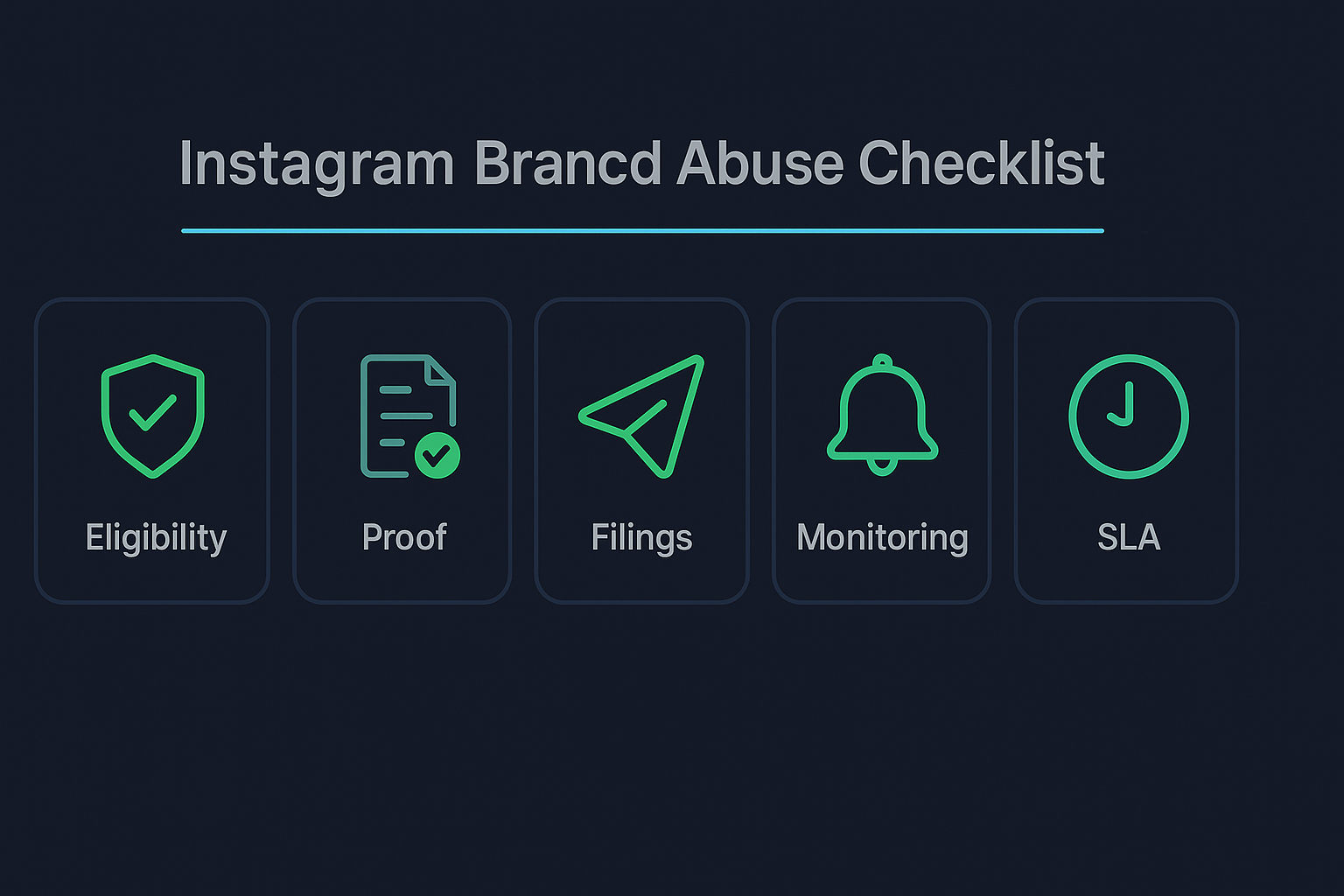
Negative SEO Prevention Checklist
Use this checklist as a recurring monthly audit to ensure your negative SEO protection remains comprehensive. Each item addresses a specific attack vector covered in this guide.
- Google Search Console email alerts enabled for manual actions and security issues
- Backlink monitoring tool configured with weekly automated alerts (Ahrefs, Semrush, or Moz)
- Monthly backlink audit completed with toxic links documented
- Disavow file updated and submitted with newly identified spam domains
- CMS, themes, and plugins updated to latest versions
- Strong passwords enforced with two-factor authentication on all admin accounts
- Web Application Firewall active (Cloudflare, Sucuri, or Wordfence)
- HTTPS with valid SSL certificate confirmed
- Security headers configured (CSP, X-Frame-Options, HSTS)
- Canonical tags present on all pages
- Content scraping check completed via Copyscape
- Google Alerts active for brand name and key product terms
- Review platforms checked for fake negative reviews
- Page load speed verified under 2.5 seconds (LCP)
- Robots.txt file verified against unauthorized modifications
Frequently Asked Questions About Negative SEO Protection
What is negative SEO and why should I care?
Negative SEO is when a competitor or malicious actor uses black-hat tactics like spammy backlinks, content scraping, fake reviews, or hacking to damage your website's search rankings. Over 422,000 websites were hit with negative SEO spam in 2024, making proactive protection essential for any site that depends on organic traffic. The importance of protecting your website from negative SEO cannot be overstated – a single unchecked attack can erase months of SEO progress.
How do I know if my website is under a negative SEO attack?
Key warning signs include a sudden spike in low-quality backlinks from unrecognized domains, unexpected ranking drops across multiple keywords, duplicate content appearing on third-party sites, a wave of fake negative reviews, or manual action notifications in Google Search Console. Set up automated alerts in tools like Ahrefs or Semrush to catch anomalies within 24 hours of their occurrence.
Can negative SEO really hurt my website rankings?
Yes. While Google has improved at detecting and ignoring many attack types since the Penguin update integration, real-world evidence from SEO experts and documented case studies shows that aggressive negative SEO campaigns can still cause measurable ranking drops. Newer sites and domains with weaker backlink profiles face the highest risk because spam links constitute a larger proportion of their total link profile.
How do I use Google's Disavow Tool effectively?
First, audit your backlink profile using Ahrefs, Semrush, or Moz to identify toxic links. Export the list of harmful domains, format them in a plain text file using domain:example.com syntax (one domain per line), and submit through the Disavow Links section in Google Search Console. Review and update your disavow file monthly to catch new spam links that appear after submission.
What are the best tools for detecting negative SEO attacks?
Google Search Console is free and essential for detecting manual actions and suspicious link patterns. For deeper backlink analysis, Ahrefs, Semrush, and Moz offer automated monitoring with email alerts, toxic link scoring, and anchor text analysis. Copyscape specializes in content scraping detection. Cloudflare provides DDoS protection and bot blocking. Combining these tools creates comprehensive coverage across all major attack vectors.
Is negative SEO illegal?
Negative SEO occupies a legal gray area in most jurisdictions. Building spammy links to a competitor is unethical but not explicitly illegal. However, tactics like hacking, brand impersonation, filing fraudulent DMCA takedowns, and posting defamatory fake reviews can violate computer fraud statutes, intellectual property laws, and defamation regulations. Document all evidence of attacks in case legal action becomes necessary.
How much does negative SEO protection cost?
Professional negative SEO protection ranges from $199 to $999 per month depending on scope and site complexity. Basic monitoring with free tools like Google Search Console costs nothing. Premium tools like Ahrefs ($99–$449/month) or Semrush ($139–$499/month) provide advanced capabilities. Full-service agencies including Telegram Growth Studio offer comprehensive packages that combine monitoring, response, and ongoing reputation management.
Can I recover from a negative SEO attack?
Yes. Recovery involves identifying and disavowing harmful backlinks, cleaning hacked pages and restoring from clean backups, filing DMCA takedowns for scraped content, flagging fake reviews for removal, and strengthening your site's security to prevent recurrence. Most websites recover within 2 to 8 weeks after the root cause is addressed and a reconsideration request is processed by Google.
Does Google penalize websites for spammy backlinks built by competitors?
Google's algorithms have evolved significantly since the Penguin update. The search engine now primarily devalues spam links rather than penalizing the target site. However, extreme attacks involving thousands of toxic links with manipulative anchor text can still trigger manual actions. Google created the Disavow Tool specifically for situations where site owners cannot control incoming links and need a safety net against external manipulation.
How do I protect my website from content scraping?
Implement self-referencing canonical tags on every page to declare your content as the original source. Publish new content and immediately submit URLs through the Google Indexing API. Monitor weekly using Copyscape or Grammarly's plagiarism checker. When scraped copies are found, file DMCA takedown requests with the hosting provider and report copyright infringement directly to Google. Strong internal linking and established domain authority also help search engines identify you as the canonical source. Read our guide to removing negative search results for detailed instructions.
Has AI changed how negative SEO attacks work in 2026?
Yes. As of 2026, AI tooling lets attackers generate large volumes of contextually convincing spam backlinks and scraped, lightly-rewritten copies of your pages far faster and cheaper than before. The practical impact is that detection windows have shrunk: quarterly audits are no longer sufficient, and you should rely on weekly automated backlink alerts in Ahrefs or Semrush plus daily Google Search Console checks. Scraped content can now also surface inside AI Overviews and chatbot answers, so locking in canonical signals and fast indexing of your original content is more important than ever.
Conclusion: Protect Your Website from Negative SEO Before Damage Occurs
How to protect your website from negative SEO comes down to three principles: monitor constantly, respond rapidly, and build a foundation so strong that attacks become ineffective. With over 422,000 websites targeted by negative SEO spam in 2024 alone, the threat is real and growing. But the defense playbook is equally clear – weekly backlink audits, automated monitoring alerts, regular disavow file updates, hardened site security, and proactive content protection reduce your vulnerability by over 90%.
If you are competing for valuable search rankings and cannot afford a multi-week recovery process, consider professional negative SEO protection. Telegram Growth Studio's reputation management team delivers 94% success rates with under 2-hour response times for active threats. Explore our reputation repair services for ongoing protection or start with a negative result removal consultation. Contact us via Telegram or WhatsApp for a free initial audit of your site's current vulnerability profile.
Related Guides
Continue strengthening your website's reputation and search visibility with these in-depth resources:
Brand SERP Optimization – control what appears when people search your brand name. Search Engine Reputation Management – comprehensive strategies for managing your online presence across all platforms. Reputation Damage Control – rapid response playbook for active reputation crises. How to Remove Negative Search Results from Google – step-by-step removal and suppression techniques. Remove Negative Articles from Google – legal and technical approaches to article removal. Push Down Negative Search Results – content-driven strategies to displace harmful results. Suppress Negative Search Results – advanced suppression tactics using owned and earned media. Remove Negative Search Results – complete guide to elimination and de-indexing requests. Reputation Repair Services – professional service packages for full reputation recovery. Online Reputation Repair – strategic framework for rebuilding trust and authority after damage.